Beef protein: available forms and which to choose
On the market, beef protein is represented in several forms, and under the same name «beef protein» very different products can hide. The editorial team explains how isolate, hydrolysate, and blends differ, what to look at on the label, and how not to overpay for marketing.
The main available forms
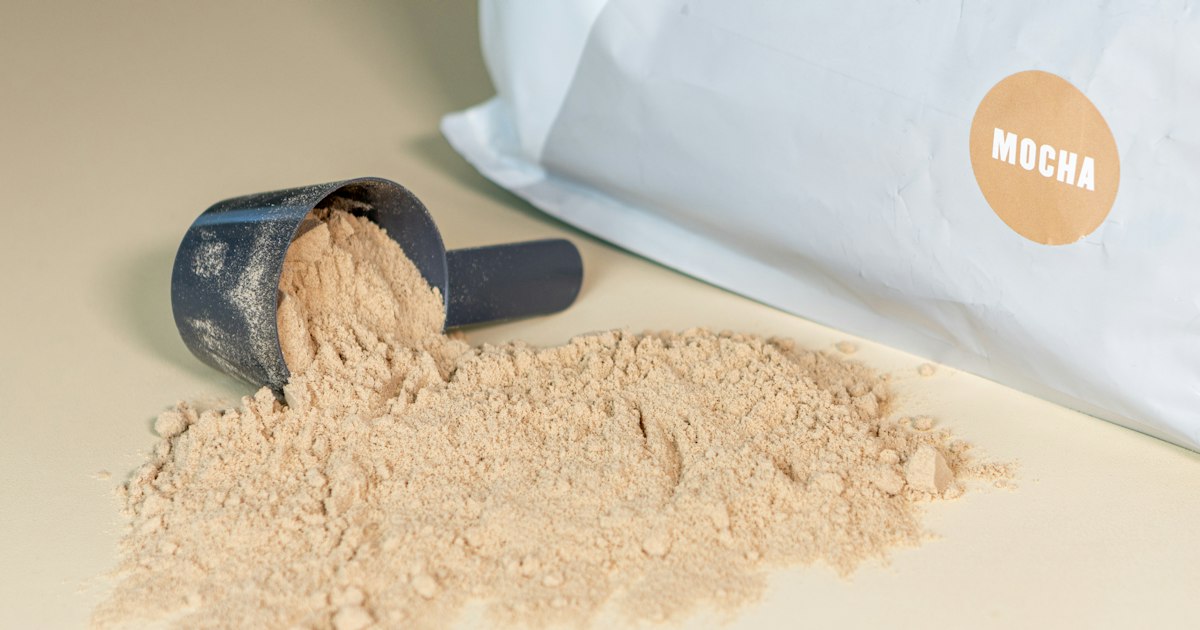
The most common form of beef protein is powder for preparing shakes. It is sold in jars or packets with a scoop and can be either flavored (chocolate, vanilla, berries) or unflavored. Powder gives the best ratio of price to amount of protein.
The second form is protein bars and snacks, in which beef protein is combined with other ingredients. They are convenient on the go but contain less protein per serving, more sugars or sugar alcohols, and cost more per gram of protein.
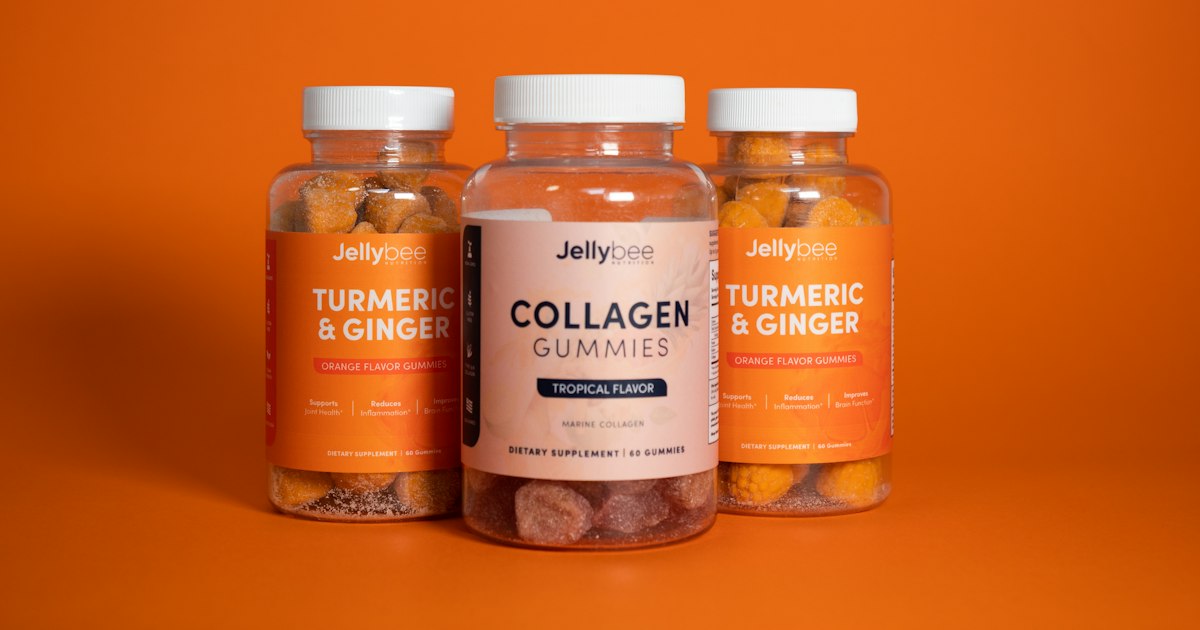
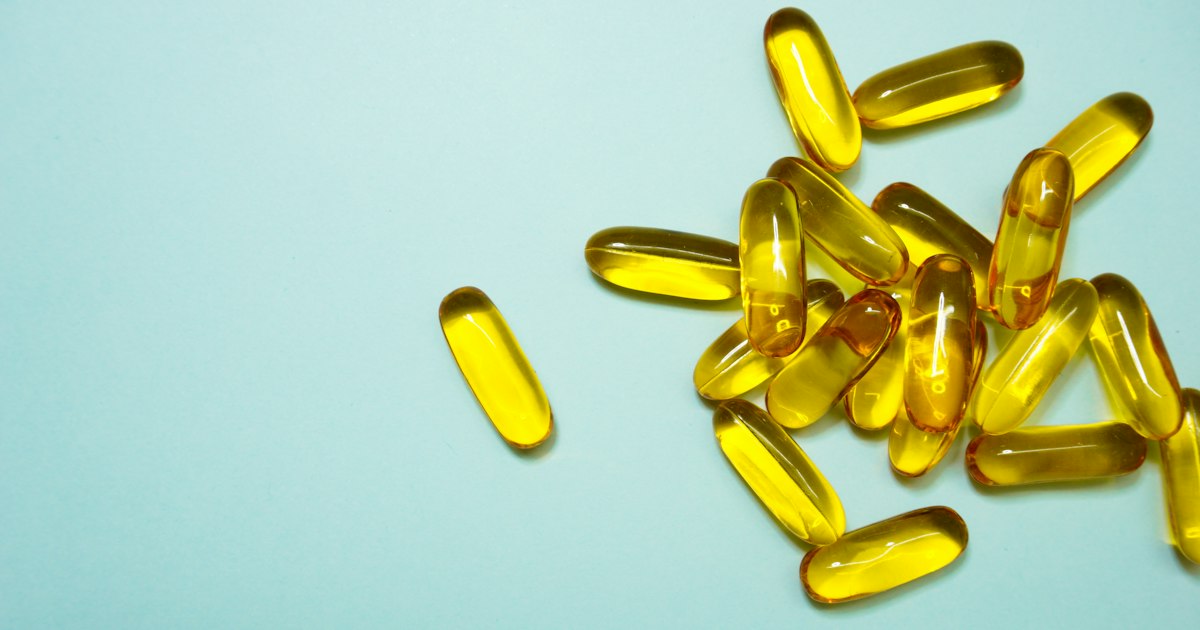
The third — capsules and tablets with beef protein hydrolysate or «amino acids from beef». To get at least 20 g of protein from them, you would need dozens of capsules, so as a protein source they are impractical and are often positioned rather as a source of amino acids.
Separately, it is worth mentioning jerky and meat snacks. Formally this is also «beef protein», but they contain a lot of salt and belong to food products rather than sports supplements.
| Form | Protein per serving | Price per gram of protein | Convenience | For whom |
|---|---|---|---|---|
| Flavored powder | High | Lowest | A shaker is needed | Regular use |
| Unflavored powder | High | Low | Can be added to dishes | Culinary use |
| Bars | Medium | High | Highest | A snack on the go |
| Capsules, tablets | Very low | Very high | High | Practically unjustified |
Isolate, hydrolysate, and enriched formulas
On labels, the terms «beef protein isolate» and «hydrolyzed beef protein» most often appear. In practice, most beef isolates are hydrolysates: the protein is broken down by enzymes and then purified to a high protein content in the dry matter. So these concepts often overlap.
What is more important is something else — what the product is made from. A significant portion of powders is made from collagen-containing raw material and, by amino acid composition, is closer to hydrolyzed collagen. A smaller portion of products is made from muscle tissue and has a profile closer to meat.
To compensate for the lower content of essential amino acids, some manufacturers add free BCAAs, leucine, or the entire spectrum of essential amino acids. Such enriched formulas have a better profile, but it is important that the added amino acids be honestly reflected in the composition rather than concealing the low quality of the base protein.
- Collagen-type hydrolysate:a lot of glycine and proline, little leucine, a lower price.
- Product from muscle tissue:a profile closer to meat, a higher price, encountered less often.
- Enriched formula:a hydrolysate with added essential amino acids.
- Blend of sources:beef protein together with egg, plant, or other proteins.
None of these forms is «bad» in itself, but they have different value for stimulating muscle protein synthesis, and the price should correspond to that.
How to read the label
First of all, pay attention to the amount of protein per serving and the mass of the serving itself. If 30 g of powder accounts for 20 g of protein, the protein share is about two-thirds; for a high-quality isolate it is usually higher.
The second step is the amino acid chart. It allows you to assess the leucine content, the sum of essential amino acids, and the share of glycine and proline. If the manufacturer does not publish an amino acid chart, it is impossible to objectively evaluate the product.
The third step is the list of ingredients. If glycine, taurine, or other cheap amino acids are listed separately in the top positions of the composition, this may be a sign of amino spiking — an artificial inflation of the protein figure. Also check for sweeteners, sugar alcohols, and thickeners if you have a sensitive gut.
The fourth — the presence of independent laboratory certificates, especially for athletes who undergo doping control. Independent certification programs test the product for the absence of banned substances.
Taste, solubility, and convenience
Hydrolyzed beef protein usually dissolves well in water and gives a thinner shake than whey. For some this is an advantage, for others the shake seems «watery». The thickness can be increased by adding a banana, oats, or ice in a blender.
Taste is the most controversial characteristic. Unflavored powders may have a slight «broth» aftertaste, which is well masked in soups but poorly in sweet drinks. Flavored products vary greatly between brands, so for a first acquaintance it is better to take a small package or a sample.
Beef isolate in water contains no lactose, which is a key advantage for people with lactase deficiency. However, this concerns the powder specifically, not a shake made with milk.
Pay attention to the convenience of the packaging: zip-lock bags protect against moisture less reliably than jars. Powder that has clumped loses its ease of dosing, and if there is an altered smell it is better not to consume it.
Which form to choose: practical scenarios
If you need a daily protein because of milk intolerance, the optimal choice will be a powder with a transparent amino acid chart, preferably enriched with essential amino acids or made from muscle tissue. It will give the best ratio of price to protein quality.
If you cook at home and want to increase the protein in dishes, unflavored powder is more convenient. It can be added to soups, sauces, or baked goods without a noticeable change in taste.
For travel and snacks on the go, bars make sense, but it is worth counting not only the protein but also the overall calorie content and sugars. Capsules with beef hydrolysate to cover the protein requirement we do not recommend because of the disproportionate price.
If, however, you tolerate dairy products normally, it is worth honestly comparing the price per gram of leucine in beef and whey protein: in most cases whey will be more advantageous for a similar effect.
Editorial conclusions
The most practical form of beef protein is powder: it gives the most protein for the lowest price, and the unflavored version can be used in cooking.
The main difference between products is not in the words «isolate» or «hydrolysate» but in the raw material and amino acid profile, so the amino acid chart is a mandatory criterion for choosing.
Avoid products without a transparent composition and with signs of amino spiking, and athletes undergoing doping control should choose certified supplements.
We also recommend reading our articles «How to take beef protein: dosage, timing, duration», «Beef protein: what it is and how it works», and «Side effects of beef protein».
References
- Jäger R, Kerksick CM, Campbell BI, et al. International Society of Sports Nutrition position stand: protein and exercise. J Int Soc Sports Nutr. 2017;14:20.
- Kerksick CM, Wilborn CD, Roberts MD, et al. ISSN exercise & sports nutrition review update: research & recommendations. J Int Soc Sports Nutr. 2018;15(1):38.
- Valenzuela PL, Mata F, Morales JS, Castillo-García A, Lucia A. Does beef protein supplementation improve body composition and exercise performance? A systematic review and meta-analysis of randomized controlled trials. Nutrients. 2019;11(6):1429.
- FAO. Dietary protein quality evaluation in human nutrition: report of an FAO Expert Consultation. FAO Food and Nutrition Paper 92. Rome: FAO; 2013.
- Maughan RJ, Burke LM, Dvorak J, et al. IOC consensus statement: dietary supplements and the high-performance athlete. Br J Sports Med. 2018;52(7):439–455.
Andriy Melnyk
A strength-sports coach and author of programs for beginner and intermediate levels. Writes about training planning.