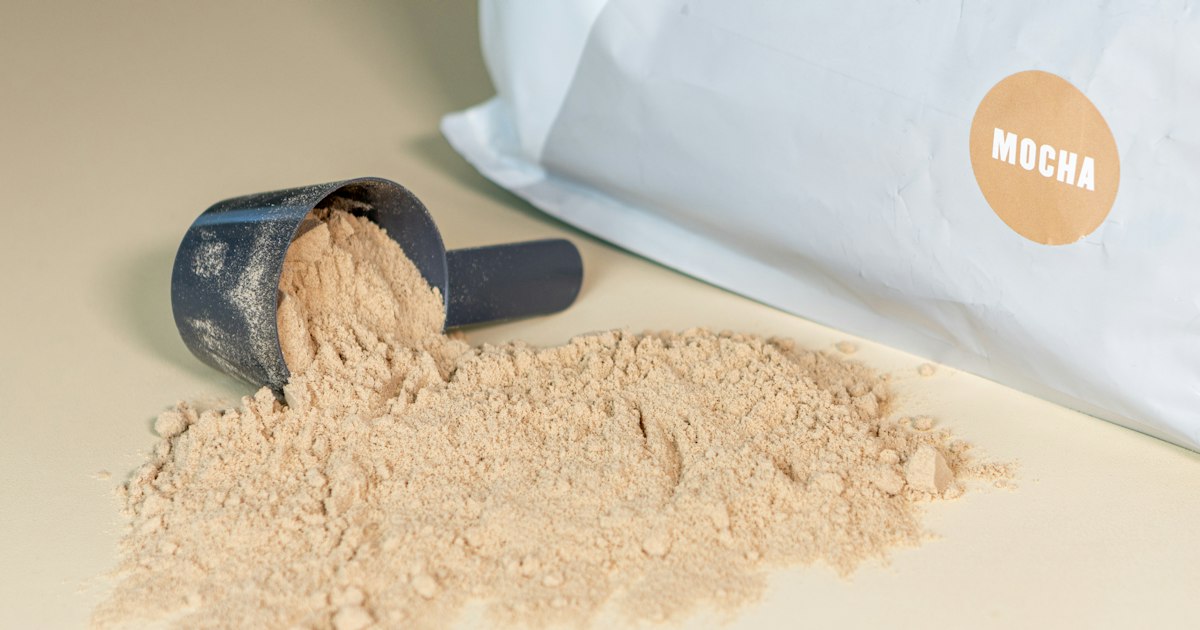
Benefits of Beef Protein for athletes: the evidence base

The marketing of beef protein often relies on the image of «meat in a jar» and promises a special anabolic effect. The editorial team analyzed which studies actually exist, what they really measured, and how justified it is to speak of this supplement's benefit for athletes.
How to evaluate the evidence base
Before speaking about the benefit of any supplement, it is worth defining what it is being compared with. For protein, two fundamentally different questions are possible: whether it is better to take protein than not to, and whether it is better to take this particular protein instead of another. The answers to them can differ dramatically.
It is well known that sufficient protein intake combined with strength training promotes gains in muscle mass. A meta-analysis by Morton and colleagues (2018) showed that additional protein enhances gains in lean mass and strength, but the effect plateaus at a daily intake of about 1.6 g per kilogram of body weight. So any protein supplement that «tops up» protein to this level can be useful.
The specific question about beef protein is different: does it offer advantages compared with whey or other sources. This is exactly where marketing claims most often diverge from the data.
One more nuance — studies with beef meat and with powdered isolate cannot be equated. As we explained in the review, many isolates contain a significant share of collagen, so their amino acid profile differs from that of steak.
- «Protein vs. placebo» comparison — evaluates the benefit of additional protein in general.
- «Beef isolate vs. whey» comparison — evaluates the specific advantages of the source.
- Acute muscle protein synthesis studies — show the short-term response, not long-term changes.
- Long-term training studies — measure body composition, strength, and performance.
Studies with beef meat
The most solid physiological basis concerns whole beef. Symons and colleagues (2009) showed that a serving of lean beef of about 113 g, providing around 30 g of protein, stimulated muscle protein synthesis in young and older people, while tripling the serving gave no additional effect.
Burd and colleagues (2015) compared, after strength training, the consumption of beef and skim milk with the same amount of protein. In this work, milk proved to be at least no worse, and in the early recovery period provided higher myofibrillar protein synthesis. The authors attributed this to differences in the rate of digestion and delivery of amino acids into the blood.
These works are important for understanding that beef is a high-quality protein source, but not a «superfood» that surpasses milk proteins. At the same time, they do not answer the question about powdered hydrolysates.
In addition, meat contains creatine, iron, zinc, and vitamin B12, which may matter for the athlete's overall condition, but a significant part of these components is lost during isolate production.

Randomized trials with the isolate
The number of randomized studies specifically with beef isolate is small, and most of them have small samples and short durations. The best known is the work of Sharp and colleagues (2018), in which trained participants were divided into groups receiving beef isolate, chicken protein, whey, and a maltodextrin control for 8 weeks of strength training.
In this study, the groups receiving protein showed on average better changes in lean mass compared with the control, while no significant differences were found between the different types of protein. That is, what mattered was the fact of additional protein, not its animal source.
Several other small studies evaluated beef protein combined with training in physically active people and also showed no advantages over whey. Part of these works was funded by supplement manufacturers, which should be taken into account when interpreting them.
| Type of study | What was measured | Main result | Level of evidence |
|---|---|---|---|
| Acute studies with meat | Muscle protein synthesis | Effective stimulation, no better than milk | Moderate |
| RCT with isolate (8 weeks) | Body composition, strength | Similar to whey and chicken protein | Low–moderate |
| Meta-analysis of RCTs (2019) | Body composition, strength, performance | No advantages over other proteins | Moderate |
| Endurance studies | Aerobic performance | Little data, conclusions impossible | Low |
For athletes in endurance sports there is even less data, so any claims about improved aerobic performance from beef protein have no scientific basis as of today.
What the meta-analysis showed
The highest level of data synthesis is provided by the systematic review and meta-analysis by Valenzuela and colleagues (2019), published in the journal Nutrients. The authors gathered randomized controlled trials in which participants received beef protein and compared the results with groups without protein and with other proteins.
The meta-analysis conclusion: beef protein supplements provide no advantages in body composition or strength indicators compared with other protein sources, including whey. Compared with a control without additional protein, some positive changes in lean mass could be seen, but the overall number of studies and participants was small.
The authors also emphasized the heterogeneity of the studies: different doses, durations, training levels of participants, and methods of assessing body composition. This reduces confidence in the conclusions and does not allow detailed recommendations to be made.
The meta-analysis results agree well with the general understanding of protein: what matters most is the total daily intake of protein of sufficient quality, not the specific animal source.
Data limitations and practical conclusions
The main limitation of the evidence base is the small number of independent studies with small samples. Moreover, different works used different commercial products whose composition can vary substantially, especially in the share of collagen.
The second point is the lack of long-term data. Most trials lasted from a few weeks to two or three months, so we do not know whether differences between protein sources accumulate over years of training.
The third — there are virtually no studies in women, older people, and high-level professional athletes specifically with beef isolate. Extrapolating the results to these groups should be done cautiously.
The practical conclusion is simple. If you tolerate dairy products normally, whey protein remains a rational choice in terms of price and evidence base. If milk proteins do not suit you, beef isolate is an acceptable substitute that gives comparable results within the available data.
Editorial conclusions
The evidence base for beef protein is limited but consistent: it works as a protein source, yet has no proven advantages over whey or other high-quality proteins.
Data on the stimulation of muscle protein synthesis mostly concern whole beef, and it is incorrect to transfer them to powdered isolates of collagen origin.
When choosing a supplement, focus on tolerability, the amino acid chart, the price per gram of complete protein, and the overall daily balance, rather than on loud marketing promises.
We also recommend reading our articles «Beef protein: what it is and how it works», «Myths about beef protein», and «How to take beef protein: dosage, timing, duration».
References
- Valenzuela PL, Mata F, Morales JS, Castillo-García A, Lucia A. Does beef protein supplementation improve body composition and exercise performance? A systematic review and meta-analysis of randomized controlled trials. Nutrients. 2019;11(6):1429.
- Sharp MH, Lowery RP, Shields KA, et al. The effects of beef, chicken, or whey protein after workout on body composition and muscle performance. J Strength Cond Res. 2018;32(8):2233–2242.
- Symons TB, Sheffield-Moore M, Wolfe RR, Paddon-Jones D. A moderate serving of high-quality protein maximally stimulates skeletal muscle protein synthesis in young and elderly subjects. J Am Diet Assoc. 2009;109(9):1582–1586.
- Burd NA, Gorissen SH, van Vliet S, Snijders T, van Loon LJ. Differences in postprandial protein handling after beef compared with milk ingestion during postexercise recovery: a randomized controlled trial. Am J Clin Nutr. 2015;102(4):828–836.
- Morton RW, Murphy KT, McKellar SR, et al. A systematic review, meta-analysis and meta-regression of the effect of protein supplementation on resistance training-induced gains in muscle mass and strength in healthy adults. Br J Sports Med. 2018;52(6):376–384.
- Jäger R, Kerksick CM, Campbell BI, et al. International Society of Sports Nutrition position stand: protein and exercise. J Int Soc Sports Nutr. 2017;14:20.
Andriy Melnyk
A strength-sports coach and author of programs for beginner and intermediate levels. Writes about training planning.